
Azulejo tiles in Lisbon: preserve the story, refine the space
Azulejo tiles are one of the most recognizable signatures of Portuguese architecture. In Lisbon, we find panels dating back to the 17th century, each with unique patterns, colors, and stories. Preserving these elements requires sensitivity and specific technical knowledge.
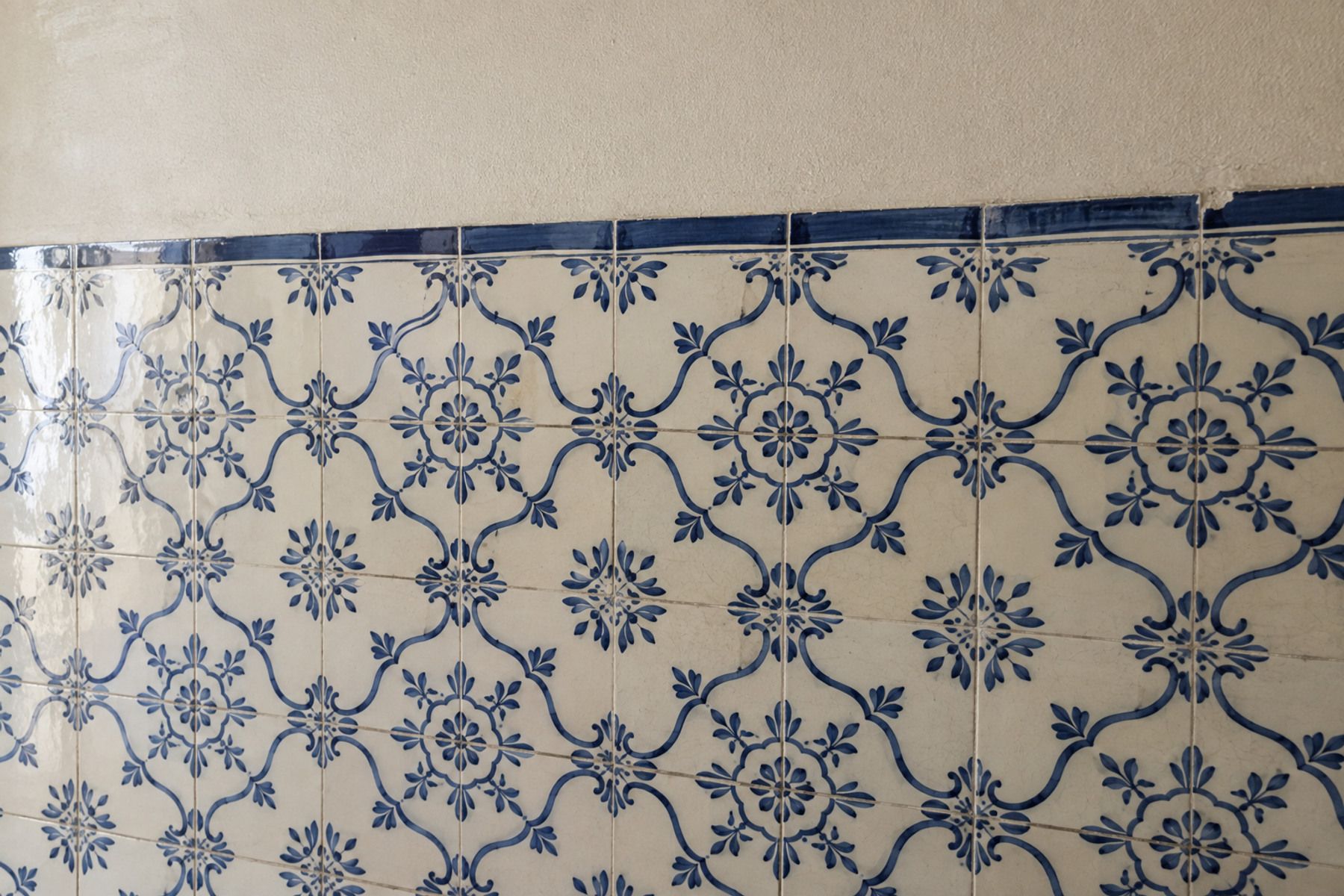
Where azulejo defines Lisbon character
In Lisbon, azulejo tiles appear on facades, stairways, kitchens, and bathrooms. Each location presents specific challenges: on facades, exposure to the elements; on stairways, wear from use; in interiors, integration with contemporary renovations. The first step in any project is to map and document all existing panels, identifying their period, style, and conservation state.
Common issues: cracks, missing tiles, moisture
The most frequent problems we encounter in Lisbon include cracks caused by structural movement, missing pieces due to previous interventions, and moisture damage. Moisture is particularly problematic as it can cause efflorescence, glaze detachment, and substrate deterioration. Careful assessment determines which pieces can be recovered and which need replacement.
Repair vs replacement: practical decision rules
The decision between restoration and replacement depends on several factors: the panel's historical value, the extent of damage, and availability of compatible pieces. For panels with significant heritage value in Lisbon, we always prioritize conservative restoration. When replacement is unavoidable, we work with specialized artisans who reproduce traditional patterns using period techniques, ensuring visual continuity without falsifying history.
Integrating azulejo into modern interiors in Lisbon
Azulejo doesn't need to be confined to traditional spaces. In renovation projects in Lisbon, we explore ways to integrate antique panels into contemporary contexts: as a focal element on a living room wall, as partial cladding in a modern kitchen, or framed as an art piece. The key is creating dialogue between old and new, where each element enhances the other without competing for attention.
Frequently Asked Questions
Can heavily damaged azulejo tiles be restored?
Where to find replacement tiles in Lisbon?
Do new tiles look different from antique ones?
How much does it cost to restore an azulejo panel?
Explore other materials
Have a project in mind?
Get in touch to discuss how we can help with your renovation project in Lisbon.
Contact us